
Views: 0 Author: Site Editor Publish Time: 2026-08-31 Origin: Site


You do not buy a truck tool box just to organize wrenches. You buy it to secure thousands of dollars in high-value equipment. Treating this purchase as a simple visual accessory is a mistake. High-value tools require serious protection from determined thieves, harsh weather degradation, and brutal transit damage. Cheaply made boxes constantly flood the market, tempting buyers through low upfront price tags. However, commercial applications and serious contractor use demand rigorous evaluation.
Settling for inferior gear risks premature hinge failure. It causes frustrating locking mechanism lockouts. It allows silent water ingress to destroy expensive electronics. We will explore essential security hardware and evaluate material trade-offs directly. We will examine crucial manufacturing specifications closely. Read on to discover how payload limits, mounting styles, and weather sealing dictate long-term performance. You will learn exactly what transforms a standard metal container into a truly heavy-duty shield for your daily operations.
Material selection dictates capacity: A heavy-duty steel truck tool box offers maximum pry-resistance but significantly impacts vehicle payload compared to aluminum.
Security is in the hardware: Thicker metal means nothing if the locking mechanisms and hinges are entry points.
Weather sealing prevents rust and rot: True commercial-grade boxes rely on continuous welds and automotive-grade weather stripping.
Placement impacts workflow: Selecting between crossover, side-mount, or an underbody truck box depends entirely on bed clearance and daily access frequency.
Material choices define your entire storage strategy. A Steel Truck Tool Box provides absolute maximum impact resistance. You cannot easily dent this thick metal. High-theft urban environments demand this extreme rigidity. Commercial construction crews drop heavy tools frequently. Dense equipment destroys weaker materials rapidly. Steel absorbs these daily impacts safely. It retains structural shape under severe duress.
However, you must weigh heavy materials carefully. Consider when a Heavy Duty Aluminum Tool Box makes more sense. Aluminum naturally resists rust. It never forms red oxidation. This material also weighs significantly less. Lower weight preserves your vehicle payload capacity. Better fuel economy follows naturally. Coastal environments expose fleets to aggressive salt spray continuously. An Aluminum Tool Box handles salty air exceptionally well. Half-ton pickups reach their Gross Vehicle Weight Rating quickly. Choosing lighter metals keeps you safely under legal limits.
Corrosion remains the biggest drawback for ferrous metals. You must manage rust proactively. Industrial-grade powder coating is mandatory. This baked-on finish creates a tough exterior barrier. It resists daily scratches from shifting cargo. Galvanized finishes offer underlying protection. Zinc layers sacrifice themselves to save the base metal. You must inspect these coatings regularly. Deep scratches require immediate paint touch-ups. Ignoring bare metal guarantees rapid oxidation.
Performance Metric | Steel Construction | Aluminum Alternatives |
|---|---|---|
Impact Resistance | Exceptional strength against heavy dents. | Moderate. Can dent under severe force. |
Corrosion Susceptibility | High. Requires powder coating maintenance. | Low. Naturally resists deep rusting. |
Payload Impact | Heavy. Reduces available cargo weight. | Light. Preserves fuel and hauling capacity. |
Security Level | Maximum protection against brute force. | Good, but vulnerable to aggressive prying. |
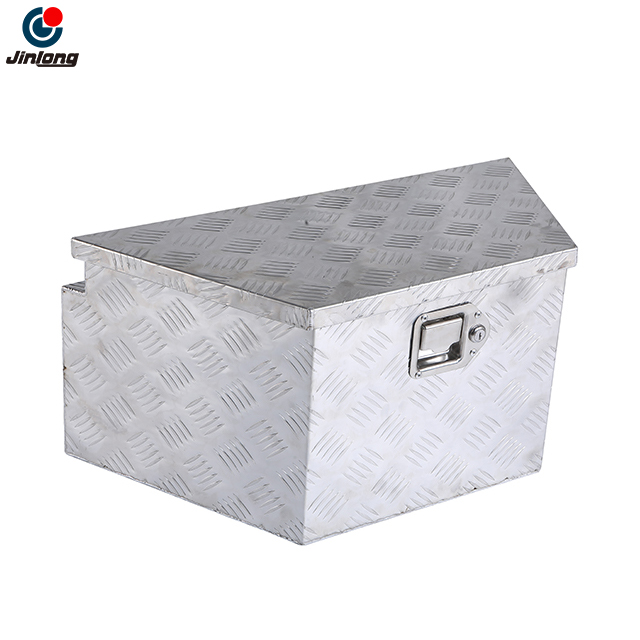
Box placement directly controls your daily efficiency. The crossover or saddle style dominates the industry. It spans your entire bed width. The unit rests firmly upon the side rails. This configuration offers massive internal volume. Yet, you face distinct compromises. Crossover designs often obstruct rear-window visibility. They also consume valuable floor space directly behind the cab. You cannot slide long lumber underneath easily.
Different chassis configurations require specialized storage. Flatbed trucks and service bodies need alternative solutions. An Underbody Truck Box is strictly essential here. It mounts beneath the main cargo deck. This keeps the primary bed entirely clear. You store heavy chains and jacks down low. Buyers must verify ground clearance meticulously. Deep ruts can strike low-hanging compartments. Discuss mounting bracket strength beforehand. These brackets hold tremendous weight. They absorb harsh road vibrations continuously.
Side-mount and chest designs solve unique access problems. Side-mount units bolt along the bed rails. You reach your gear from outside the vehicle. This saves your knees. Chest designs sit directly on the floor. They remain completely below the rail line. You retain full rear visibility. Fifth-wheel towing requires this low-profile clearance. Chest boxes also allow tonneau covers to close overhead completely. Choose these styles based on your daily routine. Evaluate how often you grab specific tools.
Security requires specialized hardware. Thick walls mean nothing if thieves breach the locks easily. Defeating a pry-bar demands specific mechanisms. You must look for internal rotary latches. These mechanisms grip a striker pin tightly. They enclose the pin completely. Standard cam locks fail quickly. Crowbars bend cam levers without much effort. Require reinforced metal edges around the lid. Manufacturers fold these edges inward. Folded edges eliminate vulnerable gaps. Prying tools cannot find purchase against folded steel.
Rotary Latches: Securely enclose the striker pin from all sides.
Folded Edges: Remove entry gaps for pry-bars and flatheads.
Shielded Keyholes: Block dirt, ice, and drill bits from the cylinder.
Recessed Handles: Prevent thieves from hammering the handle off.
Weatherproofing protects sensitive power tools. Customer forums highlight one massive pain point constantly. Cheaply manufactured boxes leak rain constantly. Prevent water ingress completely. Insist on automotive-grade D-bulb weather stripping. This thick rubber compresses deeply. It seals minor imperfections along the lid edge. Standard open-cell foam tape fails fast. Sunlight degrades cheap foam rapidly. Foam also absorbs moisture like a sponge.
Verify fully shielded keyholes. Exposed locks collect dirt and ice. Internal tumblers jam permanently under freezing conditions. Shielded keyholes block direct rain and grit. Additionally, require adjustable strikers. Gaskets compress naturally over the years. Lids eventually become slightly loose. Adjustable strikers let you pull the lid tighter. This restores the factory waterproof seal easily.
Marketers overuse the phrase heavy-duty constantly. You must verify actual manufacturing specifications. Steel gauge ratings reveal the true story. Gauge numbers measure material thickness inversely. Lower numbers indicate much thicker metal. Heavy-duty applications demand 14-gauge materials minimum. Extreme commercial environments require 12-gauge construction. Some manufacturers hide their specific gauge numbers. Warn your purchasing team against these brands. Hidden numbers usually mean inferior, paper-thin metal.
Weld quality determines structural longevity. Inspect the interior seams closely. Look for continuous TIG or MIG welds. Welders must run a solid bead along the entire joint. This creates a unified, rigid structure. Avoid spot-welded seams entirely. Spot welding fuses small, isolated points. Heavy loads force the box to flex slightly. Spot welds snap under this repeated torsion. Seams split open eventually.
Lid structural integrity remains paramount. You will drop heavy materials on top. You will force the lid down against overpacked gear. Examine the underside carefully. High-quality lids feature thick reinforcement channels. Manufacturers weld these channels internally. They prevent the large metal surface from bowing. Check the gas struts thoroughly. Heavy-duty dampeners manage the lid weight safely. They prevent sudden closures. Strong struts keep the lid perfectly aligned during operation.
Purchasing premium equipment introduces installation risks. You must evaluate mounting protocols carefully. "No-drill" J-hook systems offer major conveniences. They clamp securely under the bed lip. You avoid drilling holes into your vehicle. This protects your expensive frame. However, J-hooks loosen over time. You must retorque them routinely.
Direct-drill configurations bolt straight through the metal. Fleet managers often prefer this permanent security. Drilling prevents the unit from sliding during sudden stops. Address the risk of voiding truck bed warranties before proceeding. Drill holes expose bare metal instantly. You must treat these holes proactively. Apply anti-rust compounds during installation. Use isolating pads between dissimilar metals. This prevents galvanic corrosion between steel storage and aluminum truck beds.
Calculating true payload capacity is strictly required. An empty steel unit weighs well over 150 pounds easily. Dense tools add hundreds of pounds quickly. Outline the math clearly before purchasing. Add your empty box weight to your estimated tool weight. Subtract this total from your vehicle payload rating. Axle weight limits dictate safe driving. Heavy containers sit directly over the rear suspension. Overloading damages leaf springs permanently. It forces the vehicle to sag drastically. This alters your headlight aiming angle. It also increases your stopping distance dangerously. Know your numbers before you load the truck.
Finalizing your shortlist takes disciplined evaluation. Summarize your findings systematically. Create a simple decision matrix. Compare gauge thickness, latch types, and weather sealing. Define your budget expectations clearly upfront. Commercial-grade structures require larger investments. They save money by outlasting cheaper units.
Take concrete next steps today. Follow this strict sequence before buying anything:
Measure the distance between your inside bed rails precisely.
Measure the distance between your wheel wells to ensure floor clearance.
Calculate your exact anticipated tool payload weight.
Check your specific suspension limits on the driver-side door sticker.
A: Yes. Ferrous metals oxidize naturally when exposed to moisture. Aluminum forms a protective oxide layer instead of destructive red rust. However, manufacturers apply industrial powder coatings to prevent oxidation. Maintaining this coating prevents rust effectively. Bare metal scratches require immediate touch-up paint.
A: Follow a concise three-step rule. First, measure the distance between the inside bed rails. Second, measure the distance between the wheel wells. Third, measure your bed depth from the top rail to the floor. Ensure the unit clears the floor completely.
A: No. Standard pickup chassis lack the necessary ground clearance. The outer bed panels also block access. Manufacturers design these specifically for flatbeds, service bodies, or cab-and-chassis builds. They require open space beneath the main cargo deck.
A: No. Dual-lid designs introduce a center seam. This seam represents a structural weak point for prying. Water also enters center seams more easily. Single-lid boxes offer superior security and weatherproofing. Dual-lids only provide better side-access convenience.


